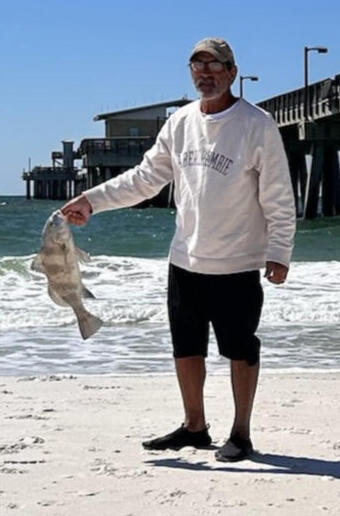
Surf Spey Wave Cycle Timing
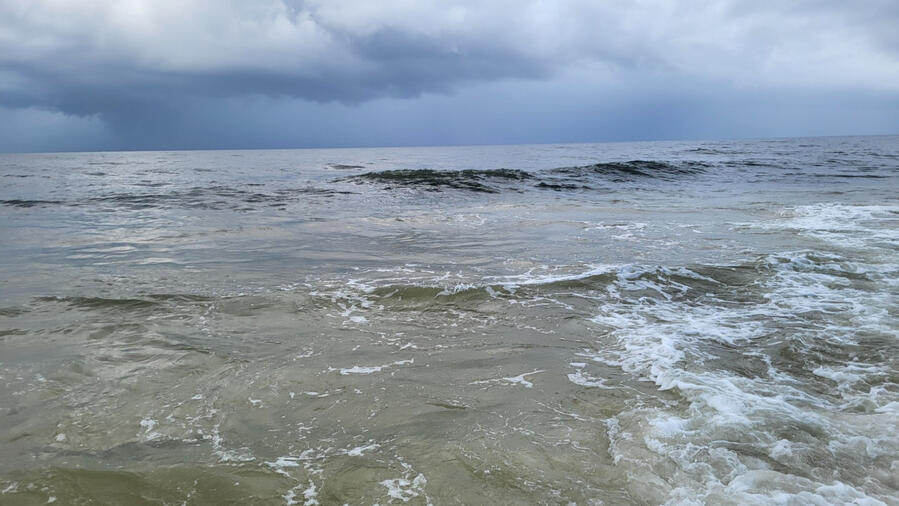
By Mark Severino
How the Push–Peak–Wash–Drawback Cycle Controls Tension and the Casting WindowSurf Spey is not timed by rhythm. It is timed by the wave cycle.The wave determines:
• when tension can be held
• when the sweep can rise
• when the anchor can be placed
• when the D-loop can stand
• when the forward stroke can survive wind and surgeThe incoming wave is the timing cue. The outgoing wash is the casting window.The Four Phases of the Wave Cycle1. Push - Unstable
Water moves toward the caster. Tension collapses instantly. The line cannot touch the wave.2. Peak - Geometry Collapses
The wave stands up. Rod tip rises. Anchor lane shifts. Only aerial tension survives.3. Outgoing Wash - Transition
Fast drain. Anchor drift. D-loop cannot stand. Not yet the cast.4. Late Drawback - Casting Window
Slow, stable drain. Anchor stabilizes. D-loop stands. Rod loads deeply. This is where Surf Spey lives.The Surf Spey Sequence
Aerial Tension Reset Over the Incoming WaveReset tension in the air, not on the water:
• aerialized lift and flip
• aerialized lift and roll
• aerialized roll cast
This keeps the line tensioned and off the collapsing wave face.Preset the line in the air, and the moment it touches down on the backside of the incoming wave, begin the lift and sweep, keeping the line riding that backside so the wave carries the anchor forward while maintaining tension.This produces:
• a rising sweep
• a stable rod tip path
• continuous tension
• a predictable 48″ anchor lane
• a tall D loop apexAnchor Placement During Sweep - The 48″ Anchor LaneThe 48″ lane is the narrow tension corridor directly off your casting shoulder, where the anchor must land to support a tall, stable D-loop.A 48″ lane exists because the surf compresses the landing window the instant the anchor touches water. Wave push, lateral drift, backwash, and wind all try to move the anchor.The lane provides enough width for the anchor to land under tension and survive these forces long enough to form a D loop.The 48″ lane is not a target; it is a tension window created by moving water.By the time the wave reaches you, the sweep is finishing, not starting.Surf Spey Tension LawIn Surf Spey, the wave controls the water. The caster controls the tension.If the wave is strong, sweep slightly faster. If the wave is soft, sweep slightly slower.You are not overpowering the wave. You are in sync with it.Circle Up, Drift High, Form the D-loopAs the wave breaks and transitions into a late drawback:
• circle up
• drift high
• form a tall, tensioned D loopDeliver the Forward Cast with the Outgoing WashThis is the only moment when:
• the anchor stabilizes
• the D loop stands
• the rod loads deeply
• the forward stroke inherits clean geometryThis is the Surf Spey casting window.Closing
Wave cycle timing is the foundation of Surf Spey. Every cast begins with the push and ends with the outgoing wash. The caster’s role is not to overpower the surf but to match it, maintain tension, and let the wave’s movement shape the cast’s geometry.Surf Spey is not a power system; it is a timing system. The wave moves the water. You control the tension.
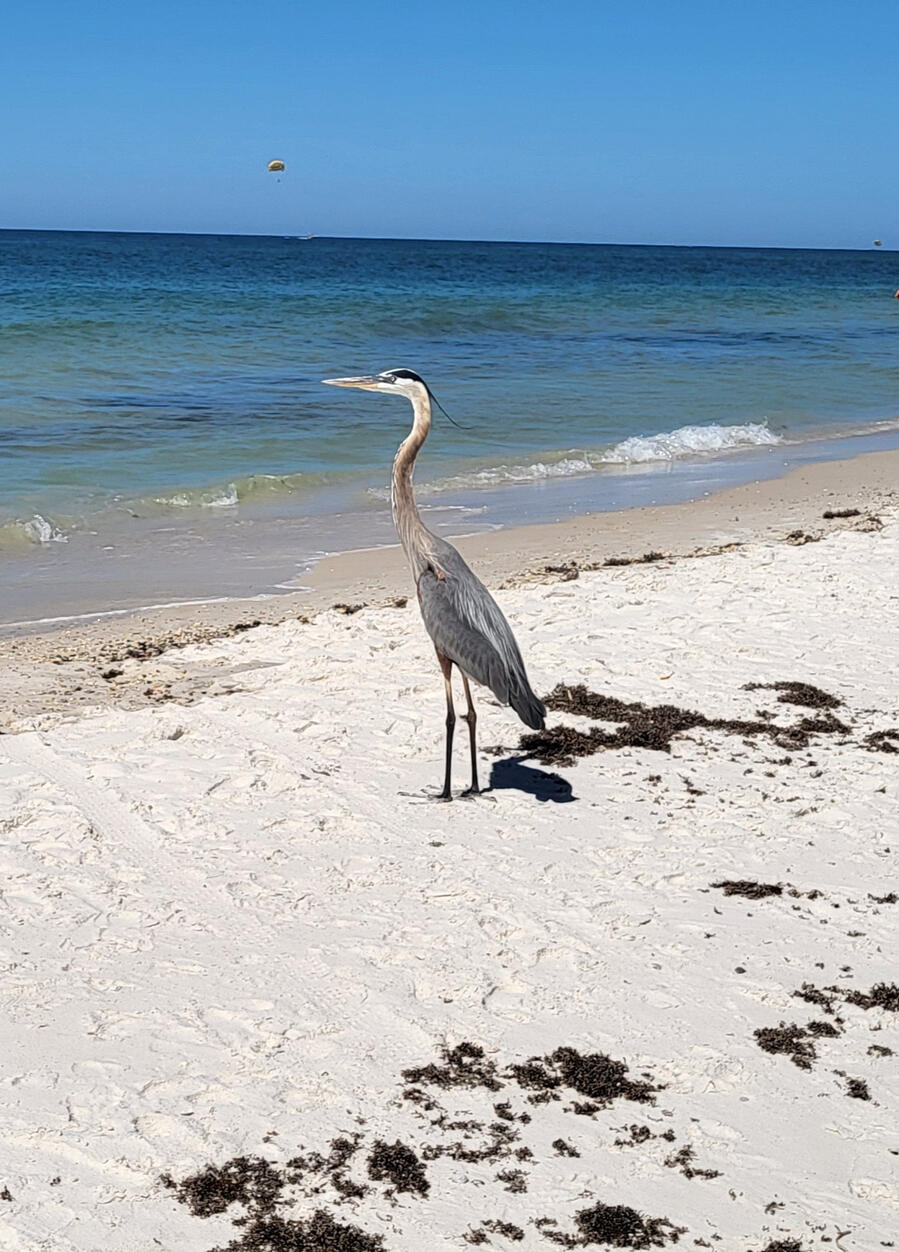
Surf Spey Line Behavior in Moving WaterHow Floating Heads, Sink Tips, Head Length, Tip Mass, and Surf Hydrodynamics Control Tension, Lift, and TurnoverSurf Spey is not a river system. The line does not behave according to static water rules. Every component—floating head, sink tip, leader, fly—is acted upon by push, peak, wash, drawback, lateral drift, and wind.Line behavior is the discipline of understanding how a floating head and sinking tip interact with moving water.The wave cycle determines timing. The line determines geometry.1. Surf Spey Uses Floating Heads and Sink TipsSurf Spey line systems are built on a floating head paired with a sinking tip. This is the defining Surf Spey architecture.The floating head carries tension and apex geometry. The sinking tip provides hydrodynamic bite and anchor stability.Because the head floats and the tip sinks, they interact with the wave cycle in opposite ways—and Surf Spey casting depends on managing the tension between them.Floating Heads
• ride high on the backside of the wave
• get lifted by push
• collapse during peak if tension is not aerial
• drift during wash
• require continuous aerial tensionFloating heads are stable only when the caster keeps tension off the water during push and peak.Sink Tips (T 8, T 11, T 14)
• bury into the backside of the wave
• resist push
• stabilize anchor lanes
• support tall D loops
• survive wash
• define the tension differential between head and tipSink tips are the anchor stabilizers in Surf Spey. They create the hydrodynamic bite that allows the D loop to stand during late drawback.2. Head Length Controls Anchor Drift and D Loop StabilityLong Heads (36–42 ft)
• activate the rod late
• collapse apex height
• drift excessively
• fail during wash
• cannot survive surf timing
Long heads belong to rivers, not surf.Compact Heads (22–30 ft)
• activate the rod early
• stabilize apex height
• resist drift
• survive wash
• match Surf Spey timingCompact heads are the Surf Spey standard because they load early and maintain geometry through the wave cycle.3. Tip Mass Controls Anchor SurvivalLight Tips (poly, Versileader)
• drift easily
• collapse under push
• require perfect tension
• produce high apexMedium Tips (T 8, T 11)
• resist drift
• stabilize anchor
• support tall D-loops
• survive washHeavy Tips (T 14+)
• bury
• collapse apex
• overload rod
• break tensionSurf Spey uses medium tips because they balance anchor stability with apex height.4. Hydrodynamic Forces Acting on the LinePush
Lifts the floating head, challenges tension, destabilizes anchor.Peak
Raises rod tip, shifts anchor lane, forces aerial tension.Wash
Pulls the line outward, destabilizes the D loop, requires patience.Drawback
Stabilizes the anchor, stands the D- loop, loads the rod deeply.
Line behavior is hydrodynamic behavior.5. The Line Must Match the WaveCycle
Push
Keep the line aerialized.
Peak
Preset tension in the air.
Wash
Let the line drift—do not cast.
Drawback
Deliver the cast.Floating heads and sink tips must survive all four phases. Head length and tip mass determine whether they can.6. The Surf Spey Line LawThe wave moves the water. The line interacts with the water. The caster controls the tension.Floating heads respond to lift. Sink tips respond to drag. Head length determines drift. Tip mass determines stability. Tension determines geometry.Surf Spey is not a power system. It is a hydrodynamic system.Closing
Line behavior is a core doctrine of Surf Spey. Timing controls when you cast. Line behavior controls how the cast survives the surf.The wave moves the water. The line responds to the water. You control the tension.Surf Spey is the discipline of synchronizing all three.